Celine Bags: Heritage, Iconic Models, Craft and Research Guide
An in-depth Celine bag guide covering heritage, iconic handbags, materials, construction, authentication observations, resale context and buyer research.

Celine bags at a glance
Celine was founded in 1945 and is associated with Paris, France. For handbag research, the useful starting point is not simply the logo but the house’s approach to clean French leather goods with a strong emphasis on silhouette and proportion. Its best-known bag families include Luggage, Belt Bag, Triomphe, Ava, 16 and Cabas. This guide focuses on the bag lines, construction and research questions that matter when comparing boutique, resale and private-seller listings.
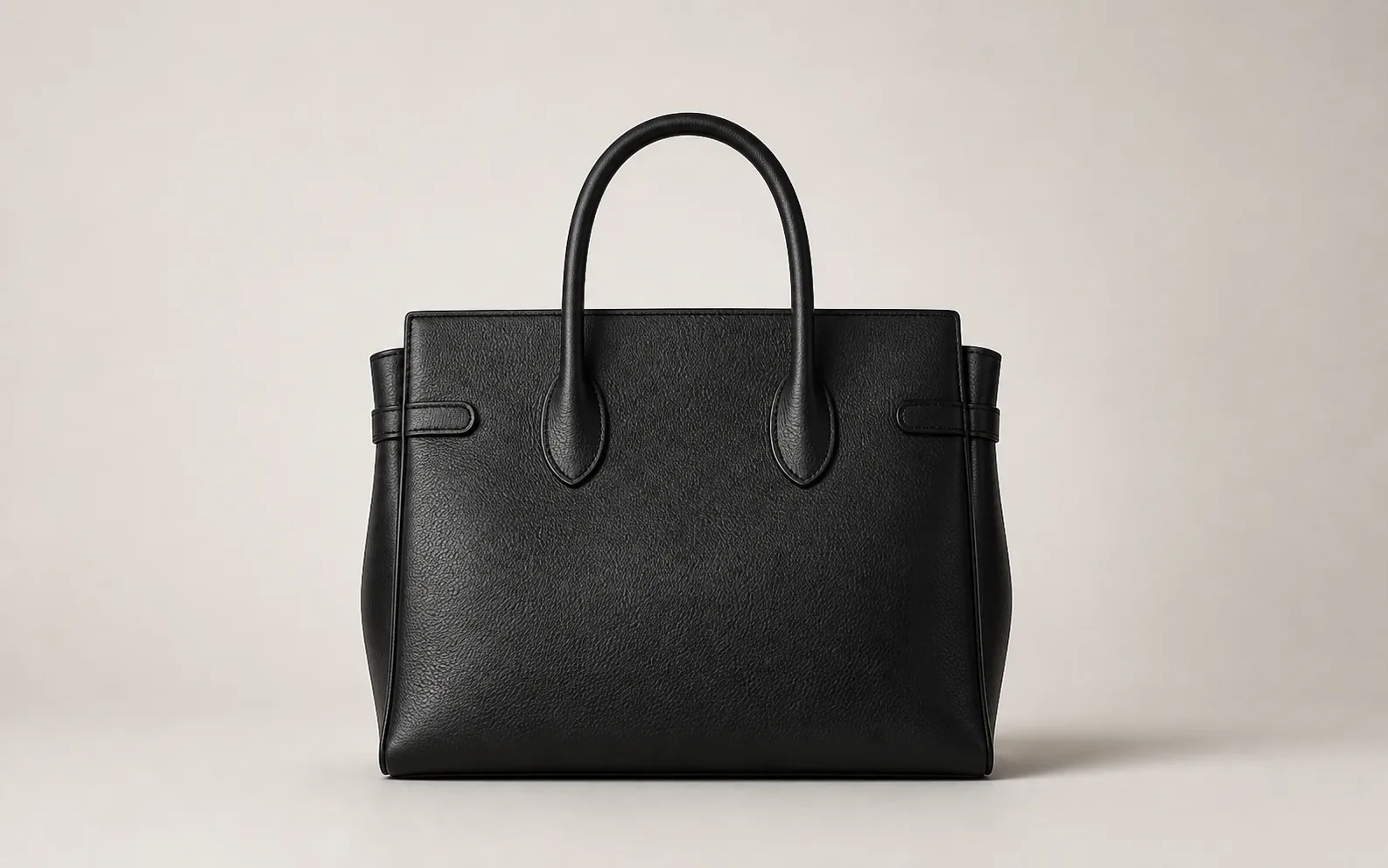
What defines Celine leather goods
The most recognisable Celine bags combine a repeatable house code with model-specific construction. That can be a distinctive closure, a particular handle geometry, a recognisable canvas, a woven surface or a carefully controlled structured shape. It is tempting to reduce this to a single visible detail, but a reliable assessment looks at how the whole object works together: materials, scale, hardware, lining, edge finish and the way a bag ages in use.
Common materials include drummed calfskin, smooth calfskin, Triomphe canvas, grained leather and textile combinations. Material names alone are not a quality verdict. Leather grain varies naturally, and fabric or coated-canvas pieces can show production variation. A good listing should show the bag in even light, include close views of high-wear areas and identify the exact size, material and hardware finish rather than relying on a broad model name.
Iconic bag families to know
When researching Celine, begin with the established references: Luggage, Belt Bag, Triomphe, Ava, 16 and Cabas. These names are helpful, but they are not complete specifications. The same family can exist across several sizes, strap layouts, interior configurations, materials and seasonal treatments. A comparison is only meaningful when the listing matches the reference at that level of detail.
For each candidate bag, record the following before comparing prices:
- Exact model and size, including the official or seller-stated dimensions.
- Material, colour name, hardware tone and whether the item is from a seasonal capsule.
- Purchase channel, approximate year, receipt or service history where available.
- Photos of corners, handles, strap anchors, lining, closures and all branded markings.
- Condition notes that distinguish normal use from structural repair, repainting or replacement parts.
Construction and craftsmanship observations
The most useful non-invasive observations are the geometry of the bag, logo stamp placement, zipper pull, handle anchors, suede lining and hardware finish. These are research prompts, not a substitute for professional authentication. Individual components can vary by production period, repair history and material, so a single difference should never be treated as conclusive proof of authenticity or inauthenticity.
Start with the silhouette from a straight-on view. Structured bags should generally sit evenly and soft bags should drape in a way that matches their material and construction. Then inspect the transitions: where a handle joins the body, where panels meet, where edge paint ends and where a closure is set into leather. These areas reveal more than a distant photograph of a logo.
Hardware should be evaluated for shape, finish and fit rather than colour alone. Light use can change a finish, while photography can make gold, brass and silver tones look misleadingly similar. Ask for video of moving parts when a clasp, zipper, magnetic flap or adjustable strap is important to the model.
Authentication and listing research
Authentication is strongest when evidence is layered. Compare the seller’s photographs with model-specific references from a similar era, then check the consistency of the material, dimensions, construction and paperwork story. Avoid making a purchase decision from a serial-style detail alone; labels, cards and packaging can be missing, replaced or misrepresented.
For higher-value purchases, use a reputable independent authenticator, a well-documented resale platform or a specialist consignment seller with a clear return policy. Keep screenshots of the original listing, condition notes and all messages. This protects your ability to resolve a dispute and helps preserve a useful provenance record for later resale.
Resale context and ownership
For Celine, the Luggage and Triomphe are useful reference points, but designer era and exact finish matter when comparing listings. Resale prices are not retail prices and should not be treated as guaranteed investment returns. Use recently completed comparable sales where possible, then adjust for condition, accessories, repairs, market region and platform fees. A bag with original straps, clochette, pouch, dust bag or paperwork may command different interest from a visually similar bag without them.
Care should match the material. Keep bags away from prolonged heat, direct sunlight, colour-transfer risk and overfilling. Store structured pieces with light internal support and avoid hanging a heavy bag by a narrow strap for long periods. Before attempting cleaning or repair, identify the leather or textile and consult an experienced specialist when the work could affect value.
Buyer checklist
- Confirm the exact Celine model, size, material and hardware before comparing listings.
- Request unedited photos or video of the corners, handles, lining, closure and all markings.
- Read the return policy and payment protection terms before paying.
- Treat unusually low pricing, rushed communication and stock-photo-only listings as reasons to slow down.
- Use an independent authentication route for any purchase where the seller’s evidence is incomplete.
FAQ
Which Celine bag should a first-time researcher start with?
Start with a well-documented core model from the list above. It will have more reliable reference material and more comparable resale listings than a rare seasonal piece.
Can photos alone confirm a Celine bag is authentic?
Usually no. Clear photos can identify inconsistencies and guide further questions, but authentication should consider the physical item, the seller’s documentation and model-specific production context.
Are Celine bags always good resale purchases?
No. Resale performance depends on the exact model, material, condition, market timing and selling costs. Buy a bag because it suits your use and research it carefully before treating resale as part of the decision.
Image note
The brand profile label and any bag reference image are used for editorial research context. Trademarks belong to their respective owners; this guide is independent and is not affiliated with Celine.
Related Long-Tail Keywords
- celine bags women
- celine bags on sale
- celine bags price
- celine bags 2026
- celine bags crossbody

Interested in replica luxury bags? Contact us.
WhatsApp: +852 46220086 Telegram: @samchen99 Instagram: @repbags7Scan the QR code or contact us directly