Top-Tier Replica Bag Quality Checklist: Materials, Craft, and Buying Risks
A practical English guide to evaluating top-tier replica bags, including material quality, craftsmanship, hardware, seller risk, and care tips for leather handbags.
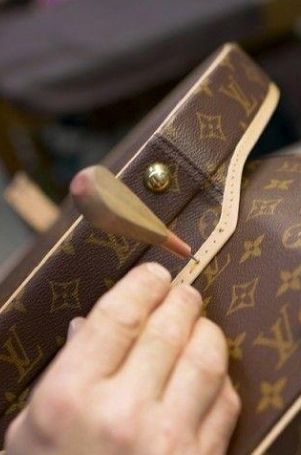
The replica handbag market is confusing because not every replica is made to the same standard. The replica handbag market can be difficult to navigate because replicas are not all made to the same standard.
!Luxury handbag close-up used as source reference
Why top-tier replica bags are harder to judge
Lower-grade replica bags usually give themselves away through obvious flaws: cheap-feeling materials, weak hardware, uneven stitching, poor logo placement, and awkward proportions. Top-tier replicas are different. That said, a convincing exterior does not make a replica equal to an authentic luxury product.
That does not make them the same as authentic luxury products. A replica may imitate appearance, but it cannot fully reproduce the original brand’s manufacturing system or accountability. A replica may copy the surface, but it cannot fully copy the brand’s manufacturing ecosystem or after-sales accountability.
1. Look beyond the logo
The logo is only one part of the evaluation. A convincing replica may copy the visible branding well enough to pass casual attention, especially in photos. A more reliable assessment begins with the bag as a whole.
Check:
- Shape and proportions
- Leather texture and firmness
- Edge paint and corner finishing
- Stitching rhythm and tension
- Hardware finish and engraving
- Lining quality
- Strap or handle attachment points
- Weight and structure
If the bag feels structurally wrong, a neat logo will not make it convincing.
2. Materials matter, but they are not everything
Many luxury bags use leather such as calfskin, lambskin, grained leather, or coated canvas. A high-grade replica may try to mimic those materials, but differences often appear in touch, scent, flexibility, and how the surface ages with handling.
Signs of better material quality include:
Signs of stronger material quality include:
Material alone does not prove quality. Material alone does not guarantee quality.
3. Craftsmanship is where many replicas separate
The source material emphasizes that top-tier replica production often tries to reverse-engineer an authentic bag by studying the original construction process. Top-tier replica production often focuses on reverse-engineering authentic bags by studying how they are built.
Skilled bag making depends on more than copying a pattern. Good bag making is not just about copying a pattern.
When inspecting workmanship, look for:
- Straight stitch lines
- Even thread tension
- Clean edge paint
- Corners without rough buildup
- Symmetrical panels
- Handles that sit naturally
- No glue marks or loose threads
It depends on correct cutting, shaping, stitching, edge finishing, reinforcement, and assembly order.
4. Hardware should feel consistent
Hardware is often described as an easy authentication clue, but the reality is more nuanced. When checking workmanship, look for: The difference may be in polishing, plating, engraving depth, and how the hardware moves.
Inspect:
Hardware is often treated as an easy authenticity clue, but that is not always enough.
If hardware looks uneven, feels hollow, chips easily, or makes the bag feel cheap, that is a strong warning sign.
5. Stitching is important, but not always enough
The difference is often in the polish, plating, engraving depth, and how smoothly the parts function. Stitching is useful, but a skilled factory can produce clean stitch lines. - Zipper smoothness
- Clasp alignment
- Engraving clarity
- Color consistency across all metal parts
- Weight and feel
- Whether screws, studs, and rings sit cleanly
Use stitching to check:
It is easy to overfocus on stitching, but stitching alone does not tell the full story.
Then compare those findings with leather, hardware, shape, and seller credibility.
6. Seller risk is part of product risk
Be careful when:
Use stitching to judge: - The price is far below the claimed quality level. Then compare those findings with the leather, hardware, shape, and the seller’s overall presentation. - There is no return or dispute process. The condition of the listing often says as much as the product itself. - Every product is described as “top tier” without evidence.
7. Price can be a useful warning signal
A polished listing can hide weak product quality, so the seller’s transparency matters as much as the bag’s appearance. Whether or not a seller’s claim is true, the general principle is useful: extremely cheap products rarely match high-end construction.
If a seller claims a bag is top quality but prices it far below similar listings, pause and ask why. It may be old stock, a defect, a misleading listing, or simply a lower-grade item marketed with premium language.
8. Care affects how long a leather bag lasts
Price is not proof of quality, but it can be a helpful reality check. Whether a bag is authentic, vintage, pre-owned, or a replica, poor storage and rough use can shorten its life.
Basic care tips:
- Store the bag in a dust bag when not in use. Basic care matters whether a bag is authentic, pre-owned, vintage, or a replica. - Avoid long exposure to direct sunlight. - Store the bag in a dust bag when not in use
- Keep the shape with clean stuffing paper or soft cloth
- Avoid prolonged direct sunlight
- Keep leather away from moisture and heat
- Clean marks gently rather than scrubbing
- Use leather care products carefully and test first - Clean marks gently rather than scrubbing aggressively. - Does the leather feel natural and consistent?
!Leather bag care and storage reference
Practical inspection checklist
- Is the edge paint clean? - Does the leather feel natural and consistent? - Are stitch lines even and secure? - Is the edge paint clean? - Are engravings clean and correctly placed? - Does the hardware feel solid? - Is the price realistic for the claimed quality? - Does the seller provide clear close-up photos? Some are difficult to judge from photos alone, but careful physical inspection can still reveal differences in construction, material, hardware, edge finishing, documentation, and seller credibility. - Is there a return or dispute option?
FAQ
Are top-tier replica bags impossible to identify?
Hardware is useful, but it should not be the only test.
Is hardware the best way to judge a replica bag?
Hardware is useful, but it should not be the only test. “Top tier” is only a marketing phrase unless the seller can support it with detailed photos, material information, construction details, and a reliable return or dispute policy.
Not by itself. “Top tier” is a marketing phrase unless the seller can support it with detailed photos, material information, construction details, and a reliable return policy.
Final thoughts
Materials, craftsmanship, hardware, structure, seller credibility, and after-sales protection all matter. Materials, craftsmanship, hardware, structure, seller credibility, and after-sales protection all matter.
A disciplined checklist can help you avoid an expensive mistake. A careful checklist can prevent an expensive mistake.
Related Long-Tail Keywords
- replica top-tier quality checklist: materials, craft, and buying risks quality guide
- how to style a replica top-tier quality checklist: materials, craft, and buying risks bag
- replica top-tier quality checklist: materials, craft, and buying risks material and hardware details
- replica top-tier quality checklist: materials, craft, and buying risks size and fit guide
- replica top-tier quality checklist: materials, craft, and buying risks buyer checklist

Interested in replica luxury bags? Contact us.
WhatsApp: +852 46220086 Telegram: @samchen99 Instagram: @repbags7Scan the QR code or contact us directly